

在法国乡下,我正试着在我的游戏里, 演算清楚罗马军团和秦军到底谁更“硬”。
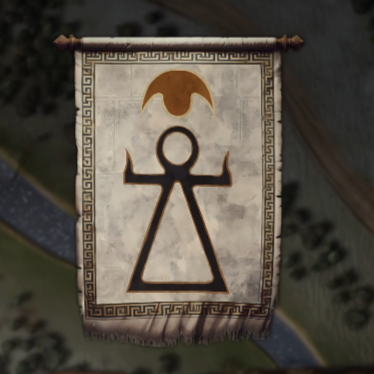

迦太基决战罗马
- # 电子游戏
- # steam游戏
- # 玩家杂谈
My Chinese partner helped me translate this into Chinese, but he is not a history expert. Please check the English below for my exact logic.
大家好,我是Steam策略游戏《迦太基: 决战罗马》的制作者。我住在法国的犄角旮旯里,平时不出门,生活里只有代码和古代地图。
我花了很久研究罗马的“三层线格斗”。我觉得它像一种“接力赛”:前面的人累了,就退后换人。我以为这是古代最完美的组织逻辑。
最近我突发奇想:如果把同时期的中国秦朝军队数据放进这个模型,会发生什么?
我发现,地中海打仗像 “有来有回的对话”,但秦军更像“没声音的压路机”。因为弩太快太猛,罗马的“换人接力”还没开始,第一排就直接“坏掉”了。
我很困惑。秦军的“砍头换官做”制度在逻辑上怎么写?它是“杀人越多、攻击越高”的魔法,还是“不准后退的死命令”?
这只是个脑洞,我很想听听你们的逻辑。
Hi everyone, I’m the developer of Carthage: Bellum Punicum, a strategy game on Steam. I live in a quiet small town in France; I don’t go out much, mostly just staring at maps and C# code.
I spent months perfecting the Roman "Triplex Acies". To me, it’s like an elegant relay race: soldiers rotate out when they get tired. I thought this was the peak of ancient military organization.
Recently, I had a "What If" moment: What would happen if we dropped the Qin Dynasty army into this model?
I realized that while Mediterranean warfare feels like a dialogue, the Qin army feels like a silent steamroller. Their crossbow fire is so intense that the Roman "relay" might never even trigger—the front line could collapse before the swap even happens.
It left me wondering: how should the "Legalist Meritocracy/Rank system" be defined in logic? Is it a "buff" that rewards kills, or a "hard directive" that simply forbids retreat?
Just a thought experiment, but I’d love to hear your logic on this.
还没有评论